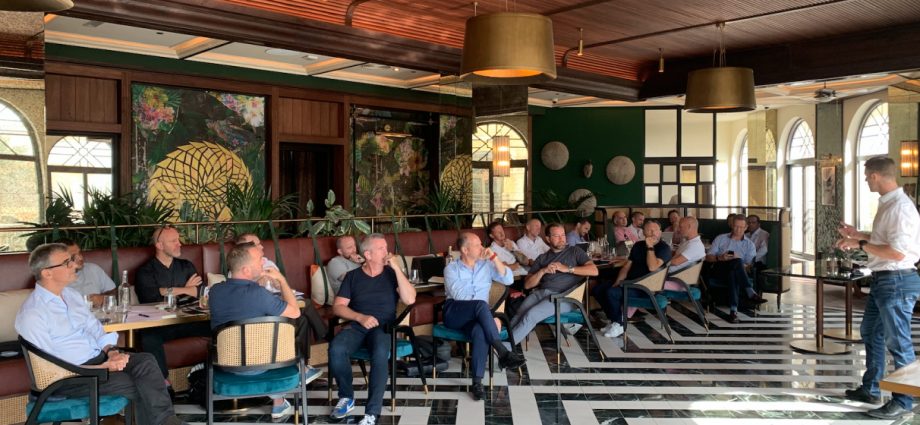
A disengaged team costs an organization far beyond lost productivity; it drains energy, stifles creativity, and directly impacts the bottom line. The root of this issue frequently lies in how leaders communicate vision, provide feedback, and inspire action on a daily basis. Investing in targeted development programs offers a direct path to reversing this trend and building a resilient culture.
Here, we will explore strategies to motivate any workforce through leadership training in Dubai.
Clear communication channels
Great leaders create clarity where confusion once lived. Leadership training must focus on teaching managers how to articulate expectations and organizational goals with absolute precision. When employees understand their specific role in the bigger picture, their daily tasks gain meaningful purpose and direction.
Training sessions should include practical exercises on active listening and delivering concise instructions that leave no room for misinterpretation. This practice reduces errors and builds a foundation of trust between staff members and their supervisors.
Offer constructive feedback regularly
Feedback should never feel like an annual event relegated to performance reviews. Effective leadership training equips managers with the skills to provide real-time, constructive observations that encourage growth. This approach involves celebrating small wins publicly and addressing areas for improvement privately with actionable solutions.
Consistent feedback loops create an environment where employees feel seen and valued for their contributions. This regular dialogue eliminates anxiety and fosters a culture of continuous improvement and open communication.
Empower through autonomy and trust
Micromanagement kills initiative and makes employees feel undervalued. Leadership training should emphasize the importance of delegating authority and trusting team members to own their projects. Giving people the freedom to make decisions within their scope of work demonstrates genuine confidence in their abilities.
This empowerment encourages creative problem-solving and allows individuals to take pride in their outcomes. A leader who steps back and offers support rather than constant oversight unlocks the full potential of their team.
Align individual goals with organizational vision
Employees need to see a clear connection between their daily efforts and the company’s long-term objectives. Leadership training must teach managers how to link personal performance goals to the broader strategic mission of the organization.
This alignment gives each task a larger significance and fuels internal motivation. When team members recognize their contribution matters, they become more invested in the final results. This shared sense of purpose creates a unified workforce moving collectively toward common targets.