Unlike traditional bank accounts, crypto wallets have no central authority to reverse fraudulent transfers or recover lost access. The security of your assets depends entirely on how well you protect your wallet, recovery phrase, devices, and transaction approvals.
A single phishing link, reused password, or unverified address can result in permanent loss. Developing a few strong security habits can reduce these risks, whether you’re managing a standard crypto wallet or a TRC20 wallet.
Use a strong password
Create a long, unique password for your wallet account. Avoid names, birthdays, phone numbers, or simple phrases that others might guess. Use a different password for every crypto service. A password manager also helps store complex passwords securely without relying on memory.
Protect your recovery phrase
Your recovery phrase gives access to your wallet, so keep it private. Write the words on paper and store them in a secure location away from your computer and phone. Never share the phrase through email, chat, social media, or screenshots. Legitimate wallet support does not ask for this information.
Turn on two factor authentication
Two factor authentication adds another security step when you sign in. Use an authenticator app when possible, since text messages face risks from SIM swap attacks. Keep backup authentication codes in a secure location so you can regain account access if your main device becomes unavailable.
Check every transaction
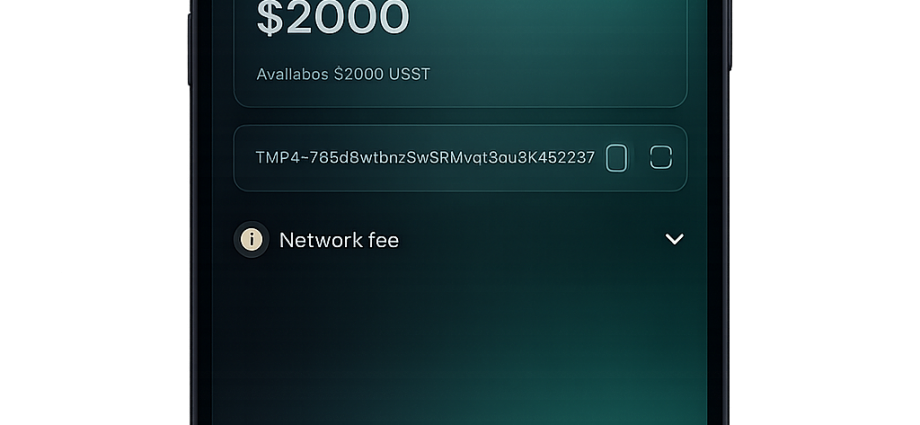
Review the wallet address, amount, and network before confirming a transaction. Crypto transfers usually remain permanent after confirmation, so a small typing error can send funds to the wrong address. Copy and paste addresses carefully, then compare the beginning and ending characters before approval.
Avoid suspicious links
Scammers use fake websites, emails, messages, and advertisements to steal wallet details. Check website addresses before entering login information. Avoid unknown downloads and browser extensions that request wallet access. Bookmark the official wallet website and use that saved page instead of random search results.
Keep devices updated
Install security updates for your operating system, browser, wallet app, and antivirus software. Updates fix known security problems that attackers may exploit. Lock your phone and computer with a strong passcode, and avoid using public computers for wallet access.