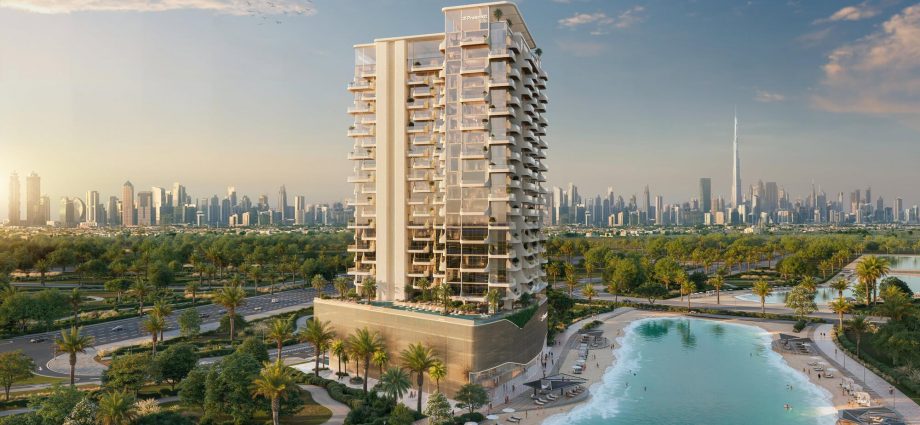
Modular construction, sometimes called prefabricated construction, is a process where buildings are constructed off-site. These pre-made sections, or modules, are then transported to the final location and assembled.
This method is becoming a popular choice in property developments Dubai because it allows for faster, more efficient construction. Here’s how:
Speed to market:
One of the most compelling advantages is pace. Because modules are built simultaneously in a factory while site work like foundations is underway, projects can finish much faster. There’s no waiting for trades to cycle through a single location, and bad weather rarely causes delays. This rapid timeline means a quicker return on investment and earlier occupancy, a benefit for everyone involved.
Improved cost control:
Budget predictability increases. Factory settings limit material waste from weather or theft. Fixed production schedules help avoid costly on-site delays. Labor costs often stabilize with streamlined assembly. This control helps keep the final price closer to the original estimate.
Consistent quality assurance:
Modules are built in a controlled environment. This allows for strict adherence to standards and precise measurements. Inspection happens at each factory stage, ensuring higher quality finishes and structural integrity compared to variable on-site conditions.
Reduced site disruption:
The local impact lessens. Fewer trucks deliver large modules instead of many loads of raw materials. On-site noise, waste, and worker traffic drop. This is a major advantage in dense urban areas or communities sensitive to prolonged construction activity.
Inherently safer process:
Safety records improve. Removing a large portion of labor from exposed outdoor sites reduces weather related risks. Factories have set safety protocols, stable work platforms, and consistent lighting, lowering the chance of accidents.
Environmental efficiency:
Modular building supports sustainability goals. Factory production cuts material waste through precise cutting and recycling. Tighter construction in a controlled space can improve energy efficiency of the units. Less site disturbance also protects the surrounding land.
Modular construction presents a compelling case for the modern developer. It addresses core industry challenges of time, cost, and quality in a unified system. By embracing this method, developers can achieve greater predictability, deliver superior products, and meet the increasing demand for efficient, responsible building practices. It represents a significant step forward in how we create our living and working spaces.